
After AI builds the first version
AI helped me build the Handyman Harman website when I was struggling to move it forward on my own. Adding a contact form showed me how much work I still had to do.
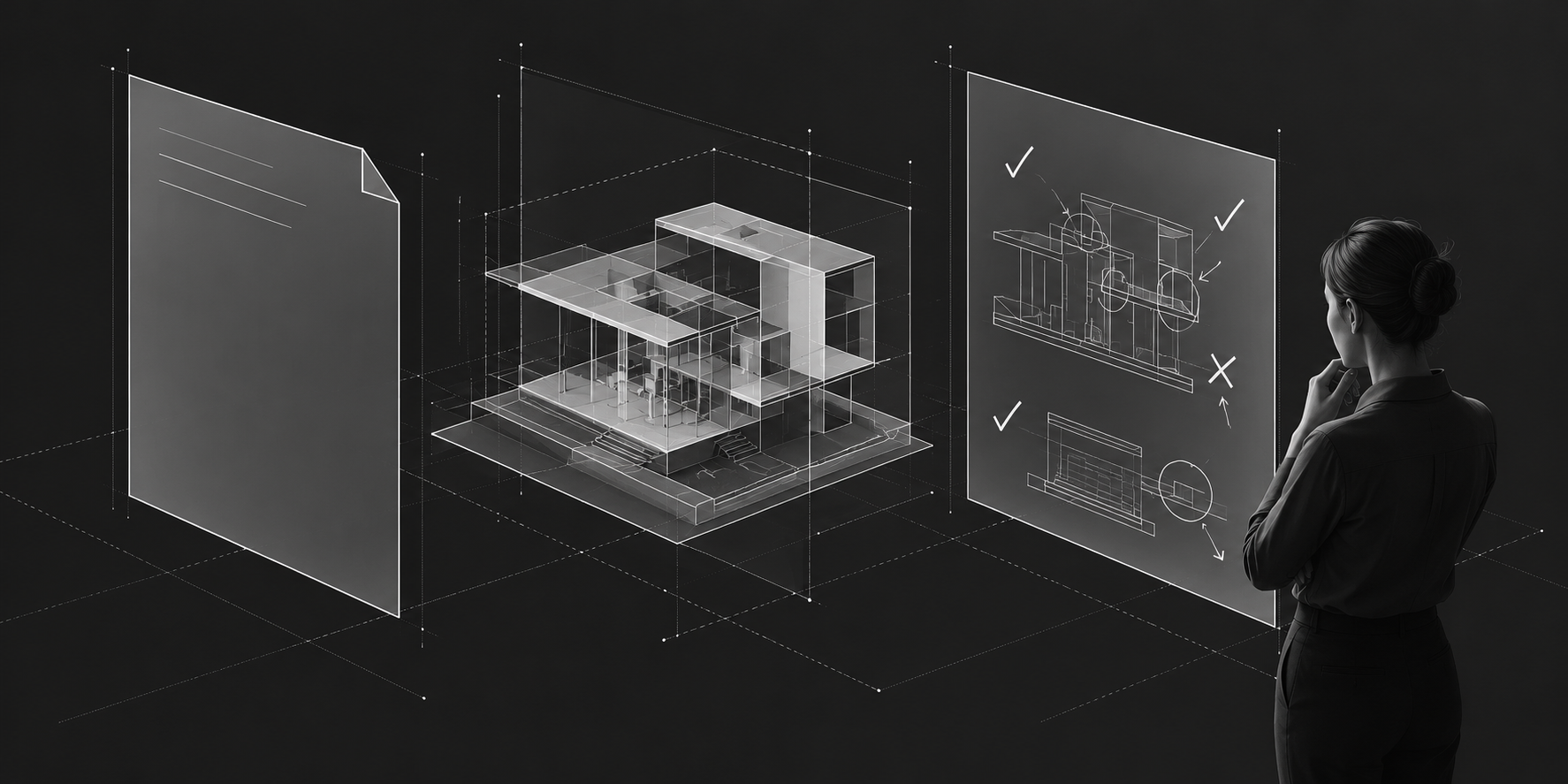
AI helped me build the Handyman Harman website when I was struggling to move it forward on my own. Adding a contact form showed me how much work I still had to do.
The form was supposed to let people reach me through the site. The effort to add it became a process I didn't understand well enough to supervise. An existing recovery effort became inaccessible along the way. I had to work on getting material back as well as improving how I directed the AI.
The result has been a more manageable way of working with AI. It has also made a less visible part of that work clear: I sometimes need to check whether the AI followed the process before I can trust its account of the result.
A specific change exposed the problem
Friends had told me about their success building websites with AI. I hadn't been coding for a while, and my HTML and PHP skills were rusty. Working on my own was taking too long. Getting the first version built was encouraging. I could see a practical use for the help.
I knew what I wanted the contact form to do. Implementing it was where I needed assistance. As the work developed, the AI introduced a process I didn't understand. I gave it broad permission to do what it needed to get the form working. That was more authority than I should have given it.
It tried to work around a credential step in the server or email setup. The effort became increasingly unfocused. When I tried to return to the website, form or associated skills through ChatGPT, it would freeze and crash. An existing recovery effort also became inaccessible.
Those were the failures I encountered. I don't have a verified technical account of their cause, and some of the material involved in the recovery is still unlocated.
The experience changed how I thought about the assignment. A request to make something leaves considerable room for interpretation. A request to change one part of an existing system needs a clearer definition of what should change, what should remain intact and where permission ends.
Better instructions became part of the job
I had to improve the prompts I was giving the AI. That meant learning to state goals, boundaries, definitions and examples with enough precision to guide the work. I spent time studying and researching how to do that. Better output required additional work from me before the next attempt began.
These were familiar concerns from earlier work: explaining the job, establishing the limits and checking whether the result met the need. Applying them to AI still took effort. I had to learn what context needed to be retained and which corrections should carry into future tasks.
We built reusable skills for writing, editorial review and publishing. Those skills hold instructions for recurring work. We also used Airtable to track the work and its phases, giving me a record to return to when a conversation lost its place.
That setup helps, but it needs maintenance. Skills have required repeated revisions, and revisions themselves can drift from the original purpose. An instruction can be available without being followed. A project record can exist without being consulted.
Check whether the process was actually followed
I still read the articles and other outputs to see whether they're correct and whether they do what I asked. Sometimes I also have to check whether the AI used the instructions and records that were supposed to guide it.
An assurance that the task is complete doesn't answer those questions. If the AI says it checked a record, the resulting action should reflect what that record contains. If it says it followed a writing skill, the article should follow the approved voice and editorial requirements.
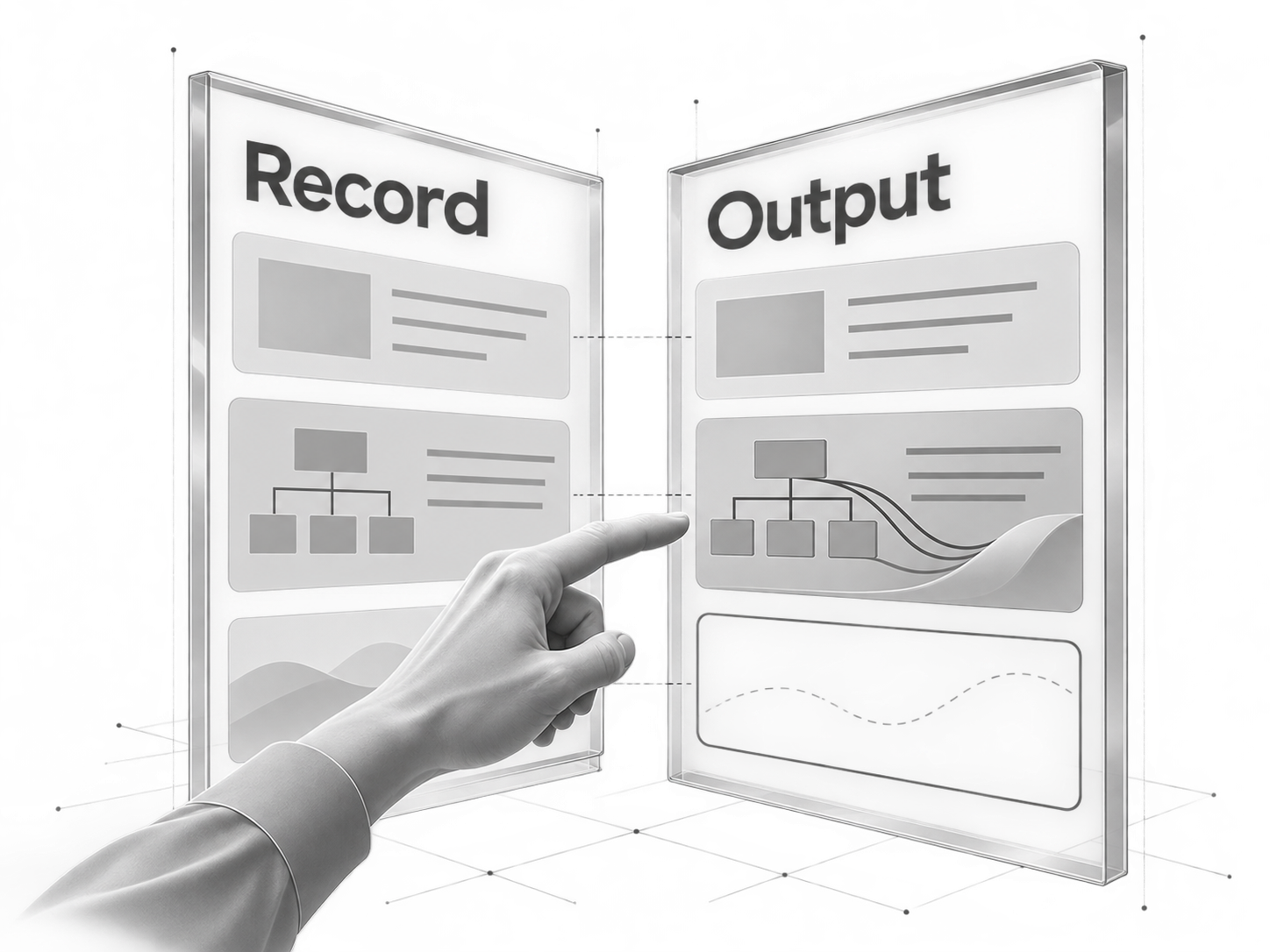
When something is wrong, the correction depends on where it went wrong. An unclear assignment needs clarification. An inadequate instruction needs revision. An instruction that was available but ignored presents a different problem: adding more instructions may leave the same failure in place.
Supervision is easier now that the skills and tables are in place. More of my effort goes into reading and checking the result. But that improvement followed repeated setup and refinement. Showing only the finished article or website would leave out a substantial part of how it was produced.
Recovery uses resources that other work needs
The failed website effort also changed how I think about usage. Trying to recover the work consumed a large amount of my allowance without completing the recovery. I went through what I had expected to use over a month in about a week.
That was capacity I couldn't use on another project. It also required time to follow the attempts, evaluate what had happened and decide whether to continue.
I now give more consideration to how much attention and usage a particular effort is worth. Another attempt may be useful, but its availability doesn't establish its value. I need some basis for believing it will move the work closer to the result.
For planning purposes, I would include the effort to define, review and correct the work alongside the effort to produce it. Recovery deserves consideration too, especially when a proposed change affects something already in use. I don't have a measured formula for those costs. The incomplete recovery is a reason not to leave them out.
Questions to ask before the next attempt
For someone deciding how much work to give AI, this experience suggests a few practical questions:
- What is the specific result? State what should change and what must remain intact. A broad goal is not a substitute for boundaries.
- What will I check? Identify the output or record that would show the result is correct. The AI's description of its own work is not enough.
- What would justify another attempt? Consider what has been learned, what will change and how much more time or usage the effort deserves.
- Do I have the attention to supervise it? More output creates more to review. Being able to start another task doesn't mean I can carry it through responsibly.
These questions don't guarantee a reliable result. They make some of the work around that result explicit before committing more effort.
Choose work you can still oversee
AI makes larger projects possible for me. Larger projects also give me more outputs to read, decisions to make and opportunities for the work to lose focus. The system can keep producing while I'm still reviewing what it produced before.
This is where AI wellness becomes a practical working concern. I stop when I'm tired or no longer paying attention. If I'm pursuing a specific result, I need enough attention left to recognize whether the work is getting there.
I've also narrowed my priorities. Early on, I was testing what AI could and couldn't reliably do. Now the important work gets my attention first. Games and other optional projects remain things I do for fun, as time permits.
AI has expanded what I can attempt. The useful planning question is how much of that work I can carry through to a result I have actually checked.
Past Life is where I'm examining how experience from earlier work holds up when applied to AI-assisted projects. You can follow my work on LinkedIn (opens in a new tab) as I document what helps, what fails and what still requires supervision.
