
The work hiding in a shopping list
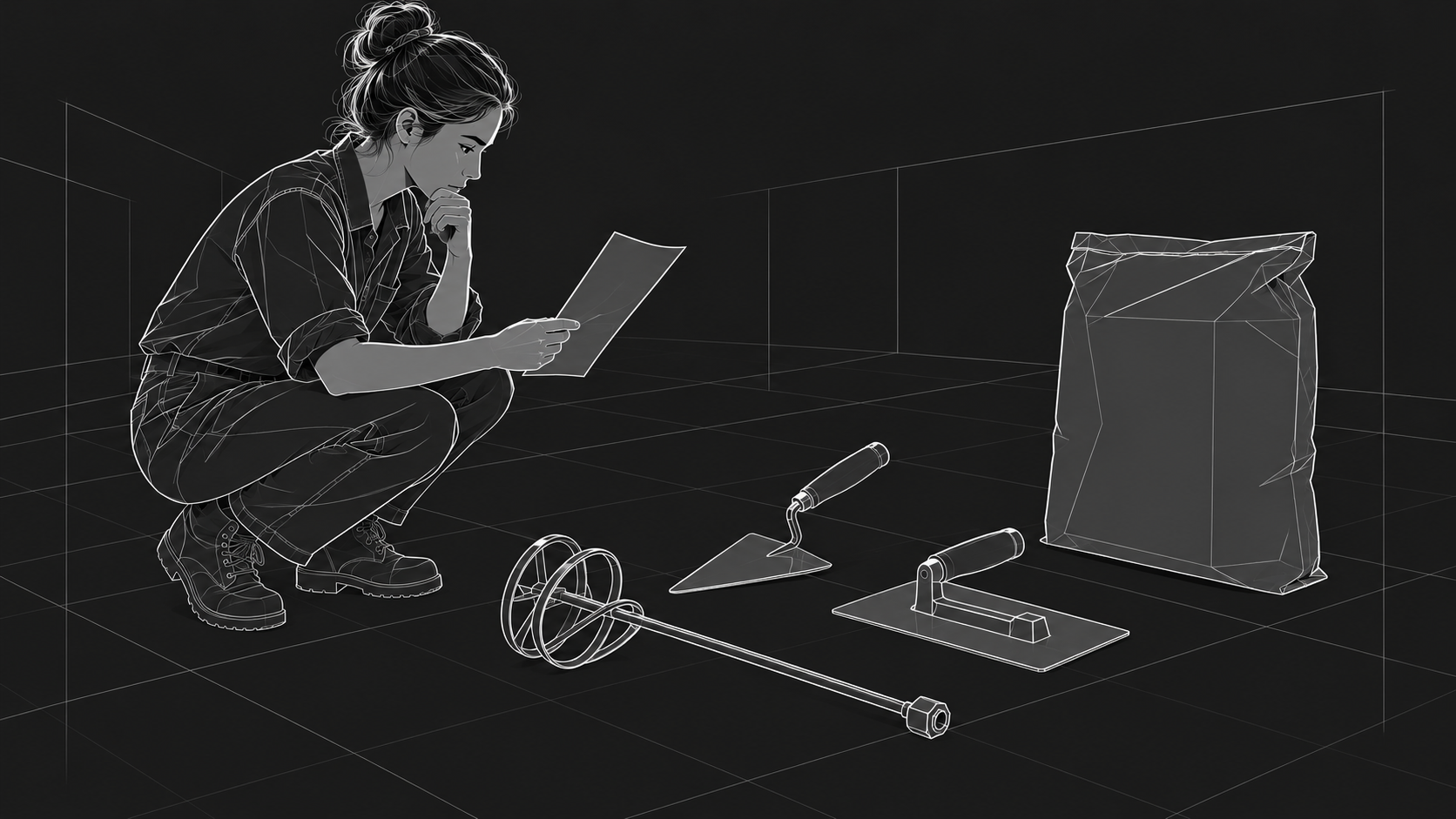
I started with instructions I couldn't comfortably read on the side of a five-gallon bucket. By the end of the evening, I had a checked materials list, a cart prepared for review, and a process worth saving for another job.
The useful part was how each step supported the next. Understanding the instructions helped me identify what I needed. Checking the materials list gave the product search a clear starting point. That same list made the finished cart easy to review.
This was preparation for a concrete repair through Handyman Harman, my handyman business. It began on a Sunday while I was walking to dinner. I asked ChatGPT to look up the instructions and explain them simply, then read the response on my phone over a steak sandwich while watching football.
I needed to prepare for the work. I also wanted some of my Sunday back.
Start with instructions you can use
The small print on the bucket was one problem. Finding time to sit down and understand it was another. A simpler explanation in a readable format let me work through the instructions during time I already had available.
As I reviewed the materials with ChatGPT, I identified what I didn't have and asked for a list with descriptions. We checked that list before searching for products. During dinner, I also typed requests for suitable products and their exact links.
That sequence mattered. The product search was based on requirements we had already reviewed, and those requirements remained available when it was time to check the result.
For this job, the shopping list contained four items: a mixing paddle, two trowels, and suitable dry sand. Each had a purpose. The paddle needed to handle the material being mixed, and the sand needed to be appropriate for the repair. A similar product name wasn't enough to establish that an item would work.
A short list can contain a lot of decisions
Materials research often starts with something that sounds simple. Deck screws are a good example from other jobs. There are colors, finishing and regular versions, and different lengths. Package sizes affect the price, and the quantity has to include a reasonable allowance for screws that strip, break, or get stuck.
Needing 550 screws instead of 500 can change both the best combination of boxes and which store can supply them. Those decisions take time even when I already know the general material I need.
Ordering online moves that work out of the aisles, but it can still mean sorting through similar products and incomplete descriptions at home. The assistance was useful because it helped carry the job's requirements into the search, where those details could otherwise get lost.
Use the checked list to review the cart
Once ChatGPT had found the products and links, I asked it to write a prompt I could use to continue the order preparation at home. There, I used Codex, the desktop AI assistant, with the browser where I was logged in.
The first attempt needed correction. I paused to clear unrelated items from the cart, the assistant misunderstood the interruption, and it stopped after adding the paddle. I pointed out that the other items were missing, and the work continued.
Once all four items were in the cart, I could compare them directly with the descriptions on the list we'd already checked. I had a clear reference for what belonged there. Checkout and payment remained with me.
That is a useful way to structure a task like this: settle the requirements before asking for the finished result, and keep them available for review. It makes omissions easier to notice and gives the reviewer something more specific than whether the result looks plausible.
Check the whole pickup plan
Finding suitable products was only part of the task. I wanted everything at one store, and the nearby location couldn't supply the complete list. Learning that before leaving spared me from discovering a missing item in the aisle and then looking for another store.
A farther store could supply the order, although one exact tool had a later pickup date. All four items could be in the same cart without all four being ready to collect. A single pickup trip would have to wait until the whole order was ready.
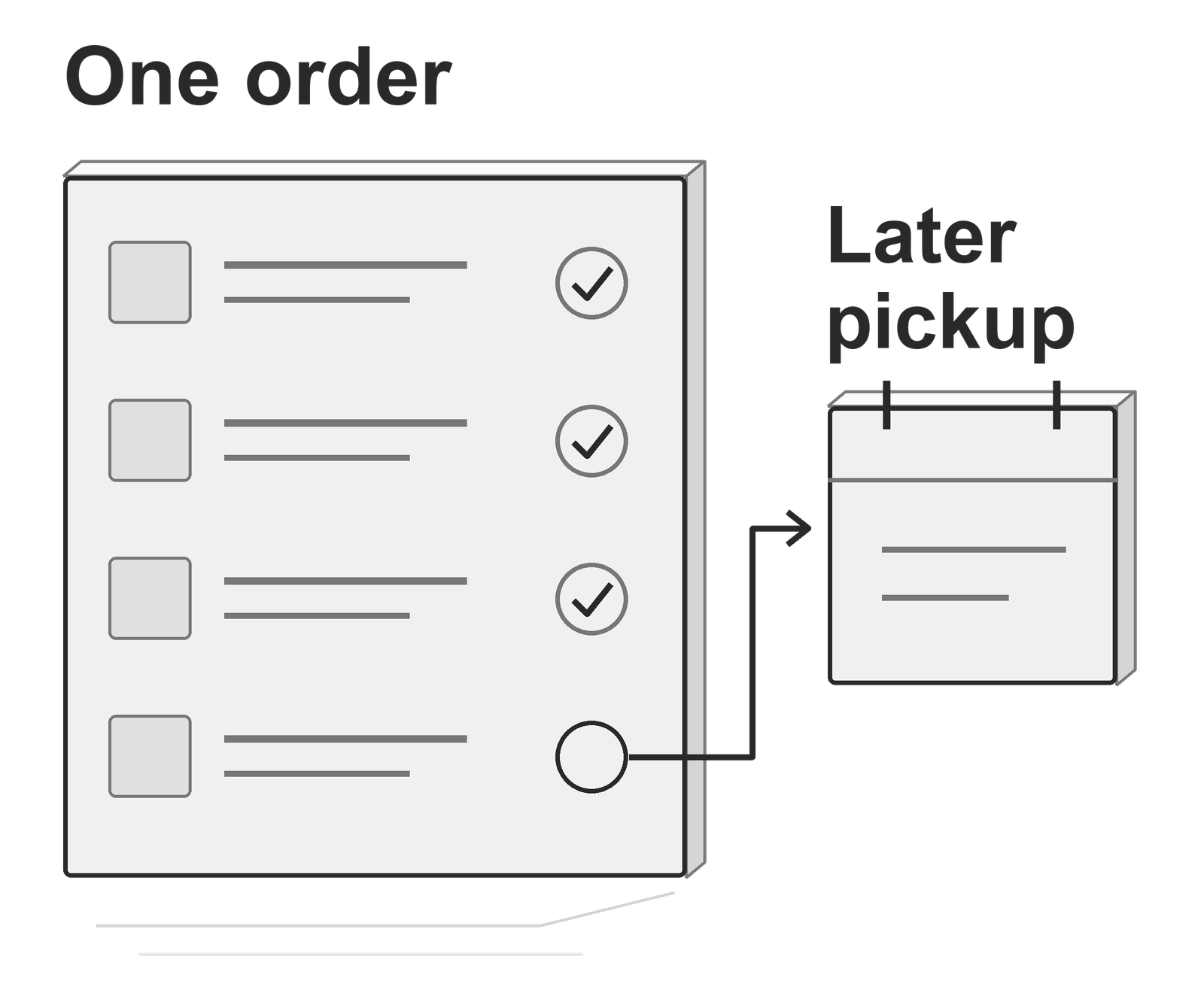
The practical check therefore covered several connected details:
- The right product and variant for the job.
- The full quantity needed, including package sizes.
- One store that could supply the complete order.
- Pickup readiness and the travel involved.
The closest store can be the right answer. When it isn't, a slightly longer planned drive may be easier than an unexpected second stop. Distance and estimated driving time help me judge that trade-off before committing to the trip.
Save the process after working through it
After the cart was prepared, I asked to preserve the process as a skill: a reusable set of instructions for the assistant. The work developed into two skills, one for researching a job's materials and another for finding products and preparing a pickup cart. A complete materials list can skip the research step.
The cart skill was then refined to compare stores for the entire order and report driving distance, estimated time, and readiness. These were practical requirements that became clearer through doing the work.
Both skills are built. The revised pair still needs another live order, so I don't yet have a measured result for repeated use. This first session included developing the skills as well as preparing the cart.
My expectation is that future preparation could take about 10–15 minutes instead of the 45–60 minutes I can spend researching and selecting materials. Separately, I expect a curbside pickup like this to take about 45 minutes including driving, compared with roughly 90 minutes for a shopping trip. Those are estimates for different parts of the work, and the pickup is still ahead of me.
The reason that matters is simple: I don't always have time to prepare the night before. Making the preparation shorter gives me a better chance of doing it at all, while still learning what the job needs.
For someone trying a similar task, the place to start is the list: what is needed, why it is needed, and which details the search must preserve. In this case, that list connected a readable explanation to a cart I could check—and, once the order is ready, a morning with more coffee and music and less searching the aisles.
