
When the project outgrows the chat
Project decisions need a maintained home that people can return to after the conversation ends.
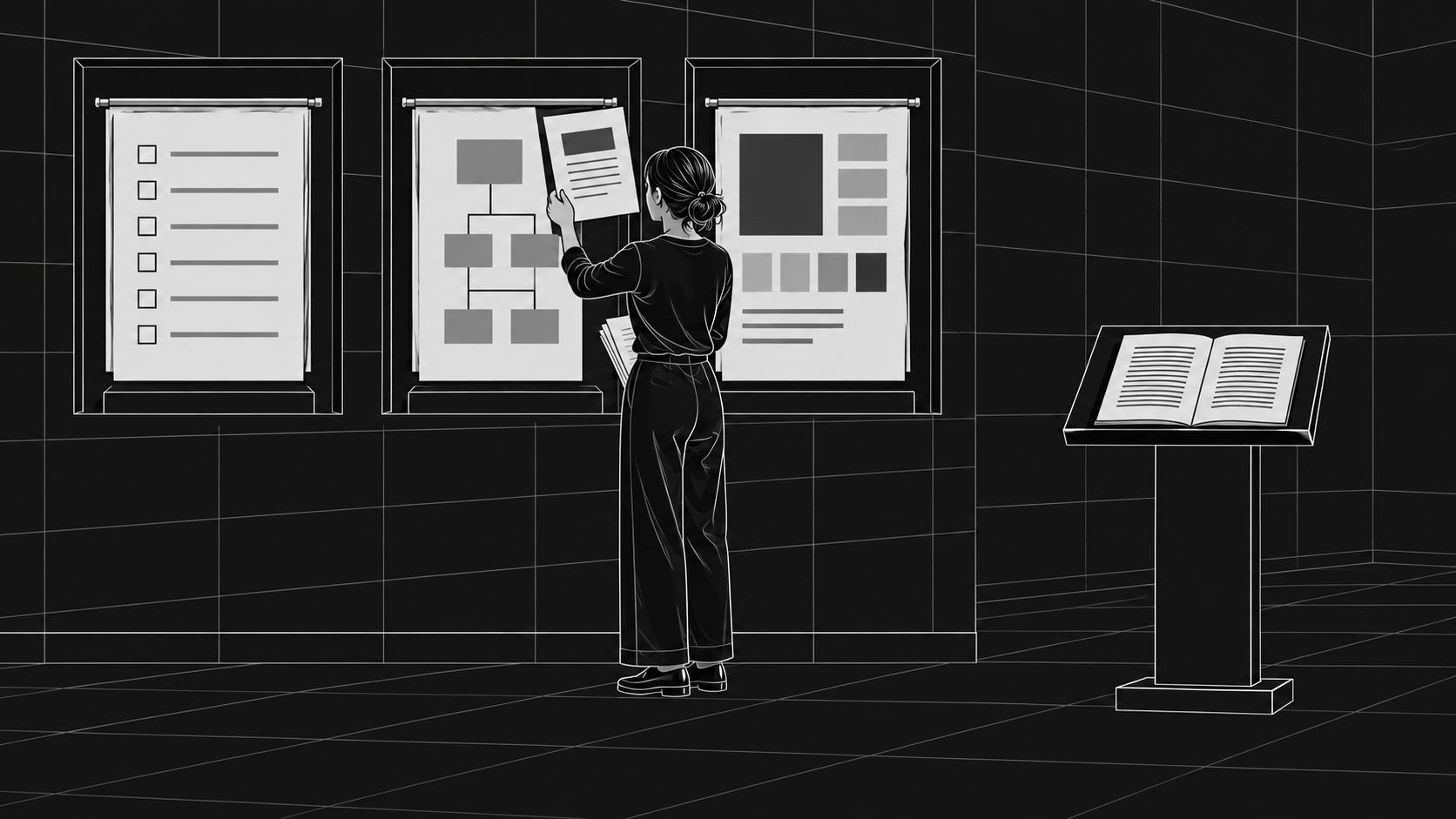
A long conversation helped me give my website work better direction. We brought the discussion together into a single prompt that addressed the goals, requirements, style, and strategy, including a review of the existing site strategy. The resulting documents gave us something more stable to work from as the project continued.
The product requirements document, or PRD, helped considerably. Letting AI build a website with too little direction hadn't worked well for me. But describing the improvement only as clearer requirements leaves out the other decisions we had developed. The site's purpose, its style, and the strategy for its content also needed attention.
Giving each reference a clear purpose
Those documents are maintained separately because they serve different parts of the work. I need requirements that describe what the site should do, a strategy that explains what we're trying to accomplish, and style guidance that shapes its presentation. Bringing the conversation into one prompt helped address those concerns together. Keeping the resulting references separate lets me return to the particular decision the next task needs.
I use Google Docs for much of this. It gives me a place outside the chat to keep the references, and it's also where I can store the articles. I'm using tools I already have and trying to keep the arrangement as simple as possible.
The value is in being able to return to an agreed direction. Across the writing work, shared resources and understood storage locations have helped me manage three conversations following the same process. Airtable helps keep track of the pieces. The documents hold the writing and the guidance we need to use again.
Keeping the references current
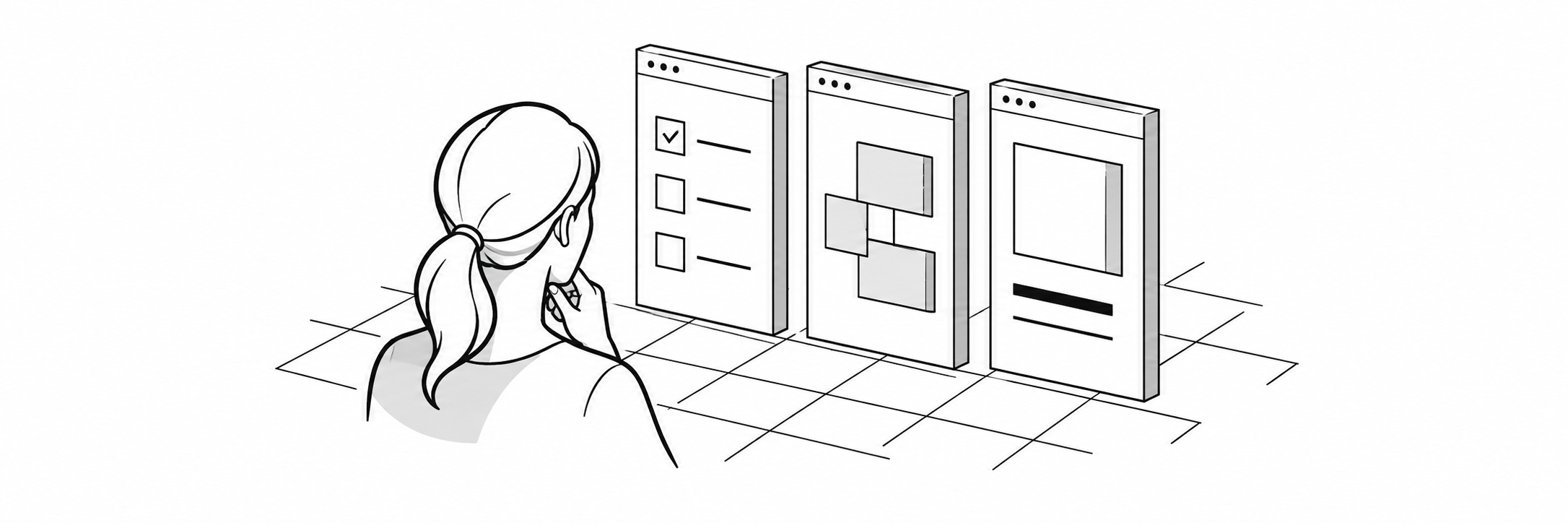
Having those locations established doesn't mean I always remember to update everything. Sometimes I forget. Reviewing the conversation's context helps me recover the decisions and identify what is still actionable. I can then form a more concise understanding of what should happen when I ask the system to pursue the next task.
Updating the PRD when I work on a website is becoming a habit. Other updates still depend on noticing that the conversation has moved beyond what the reference currently says. That is part of maintaining the documents: recognizing when a useful decision is still sitting in the discussion and needs to be carried forward.
Separating requirements from reader-facing content
The website also gave me an example of why the purpose of each piece of information needs to remain clear.
We had described what content should eventually appear in different areas of the site, but we hadn't written all of that content yet. Some of those requirements appeared as the actual wording on the page. A description of what belonged in a section was occupying the space intended for the eventual article.
I would have preferred placeholder copy. It was a surprise rather than a major problem, but it exposed a distinction we needed to preserve: a requirement for content tells us what to produce, while the content itself needs to communicate something useful to a reader. We had explained that distinction during the work, and it still needed attention in the result.
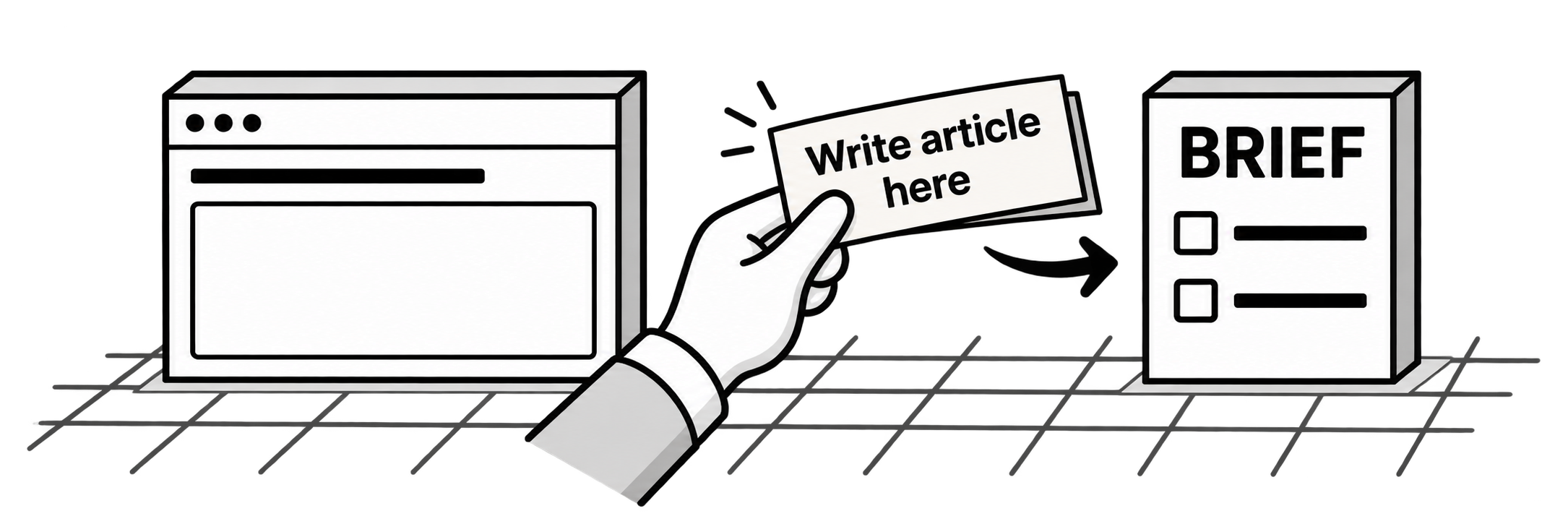
The planning material was useful. It helped describe the content we wanted. What remained was the writing that would fulfill it. We're now developing the articles so we can revisit the content strategy together and populate those areas with the actual accounts and arguments.
That experience gives me a more specific question to bring to a content review: what is this text here to do? It might record a decision, guide a future piece, stand in temporarily for missing material, or be the finished copy. Identifying its purpose helps me judge whether it belongs in the document or on the page where I'm seeing it.
Carrying the decisions forward
The same attention applies when we return to an existing reference. I want the next prompt to use the decisions we intend to carry forward. That requires reviewing what changed in the conversation and updating the relevant document. Creating the document was a useful step; maintaining it is becoming part of the way I work.
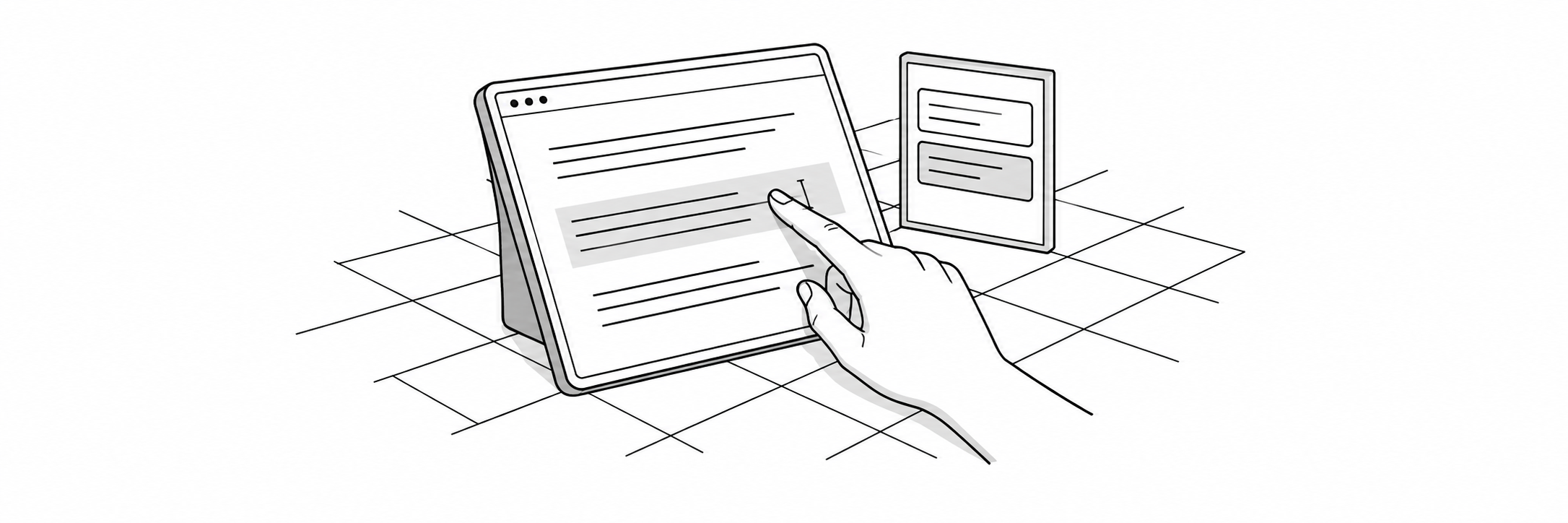
This arrangement is still developing. The references have helped me direct the website and writing work, and the missed updates show where I need to keep paying attention. I can see the benefit of having a source of truth outside the conversation while also recognizing that it stays useful through continued review.
For the website, the next content work is to develop the articles and bring them back to the strategy. The planning documents give that work direction. The articles will give readers something to read.
