
Why I kept correcting my AI drafts
A writing setup built from samples, conversation, and review leaves more attention for what the article needs to say.
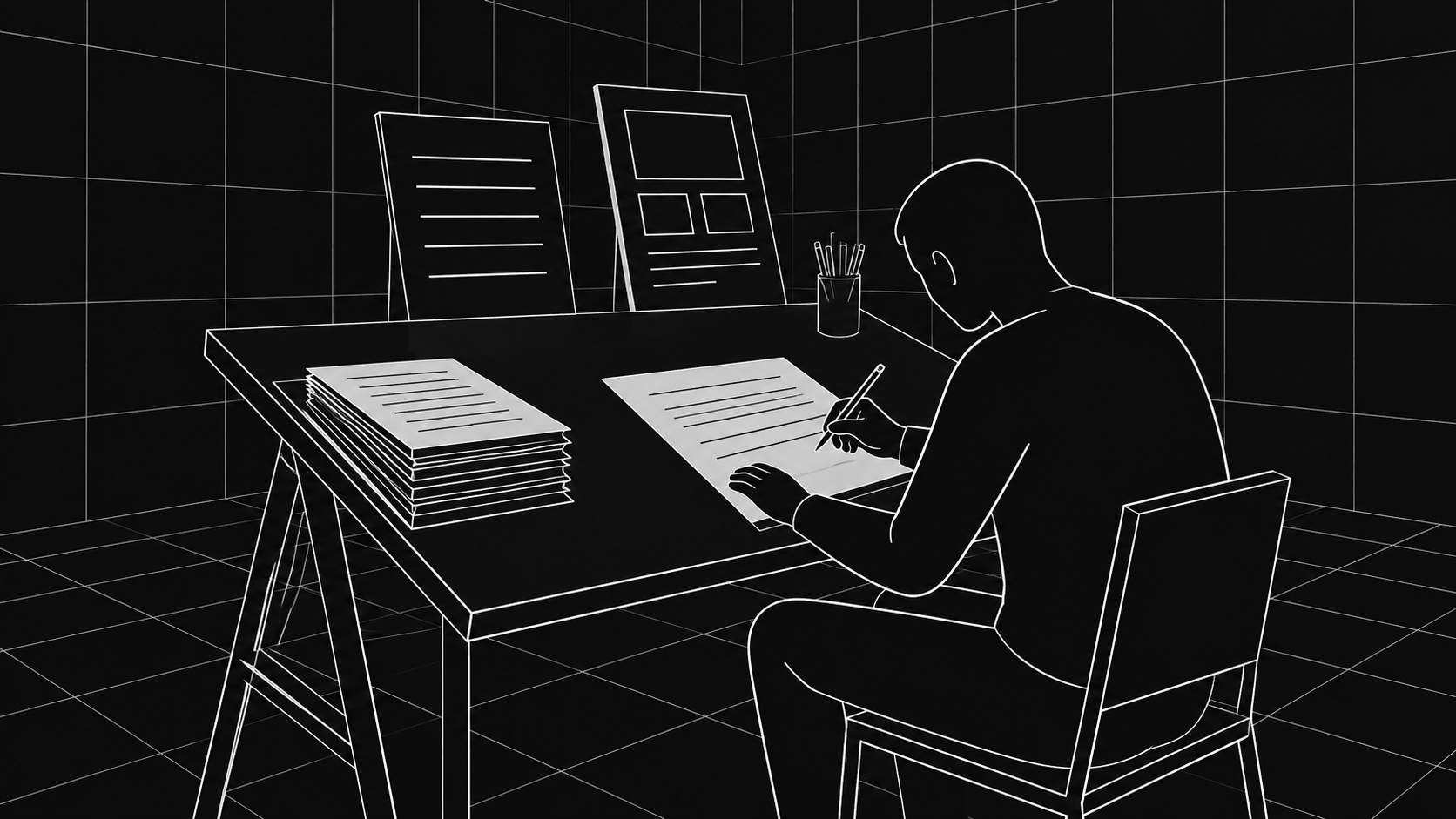
I'm spending much less time writing because I've put time into how the writing gets done. Interviews help me develop the account, voice instructions guide its expression, and editorial guidance helps shape it for the reader. I still review each piece, but I spend less time trying to make the language feel right.
This developed while I was building an ecosystem for creating and organizing content across several projects. I needed professional articles, personal writing, business posts, and material for creative projects. They had different purposes and needed different voices. Rewriting every draft to make it fit was becoming part of the job.
Developing the voice from my own writing
The early output often felt generic. It didn't sound like something I would write or particularly want to read. That led me to work with AI as a conversation partner: explaining what wasn't working and asking how we could improve it. I was already experimenting with skills, so we began developing a reusable set of writing instructions from my own samples.
For the professional voice, I selected case studies and articles I'd written for previous work. The analysis gave me patterns to examine, including some I wanted to refine. I moved between claiming ownership of a project and describing the team's contribution. Both mattered: I wanted readers to understand my leadership while giving other people proper credit.
Recognizing that pattern gave me a decision to make. A voice profile could preserve the way I explained my work while helping me become clearer about responsibility. It didn't need to reproduce every habit simply because the habit appeared in my samples.
Giving voice and editorial guidance different jobs
The editorial decisions needed similar attention. I brought in examples of formats I liked, including articles with three takeaways at the beginning. That structure gives readers a quick understanding of the point and helps them decide whether to continue. It reflects a choice about how the article should serve them.
Voice and editorial guidance therefore have different jobs. The voice describes how the writing sounds and develops. The editorial guidance addresses the reader, the purpose, the evidence, and the format. Keeping those decisions distinct lets me change the treatment of a subject without starting the voice work again.
The Facebook posts for my handyman business have been a useful application. I've been happy with their consistency and with how the simplified writing fits the space. Organic growth is the outcome I want them to support. Researching the editorial approach helps me make decisions about their presentation.
An archive project exposed a different problem. Its articles kept referring to me personally and using my voice, although the project needed its own identity. We researched the approach, revised the instructions, and tried again. A recurring perspective problem needed a change that would carry into later articles.
That distinction matters during review. A misunderstood joinery term in a business post calls for clarification. Repeatedly using the wrong narrator points to the writing instructions. I want to correct the piece in front of me and decide whether the correction should also change how the next piece is produced.
Starting with the account
The process itself needs that scrutiny. An early draft of this article was written before the interview. It was convoluted because we'd moved into drafting before developing my account. We stopped, completed the interview, and returned to the sequence I wanted to use across the projects.
That sequence starts with a full personal article in my Arlo James voice. I review the account and make corrections before we adapt it for a destination. The professional article then uses the professional profile and editorial guidance; a business post or archive article uses the guidance appropriate to that work. Each version receives its own review.
Working in three separate conversations made it necessary to establish the same starting point in each one. A statement that we follow a process is useful only if the next piece actually goes through it. The full source article gives the adaptations an account to work from, rather than asking each destination to reconstruct what I meant.
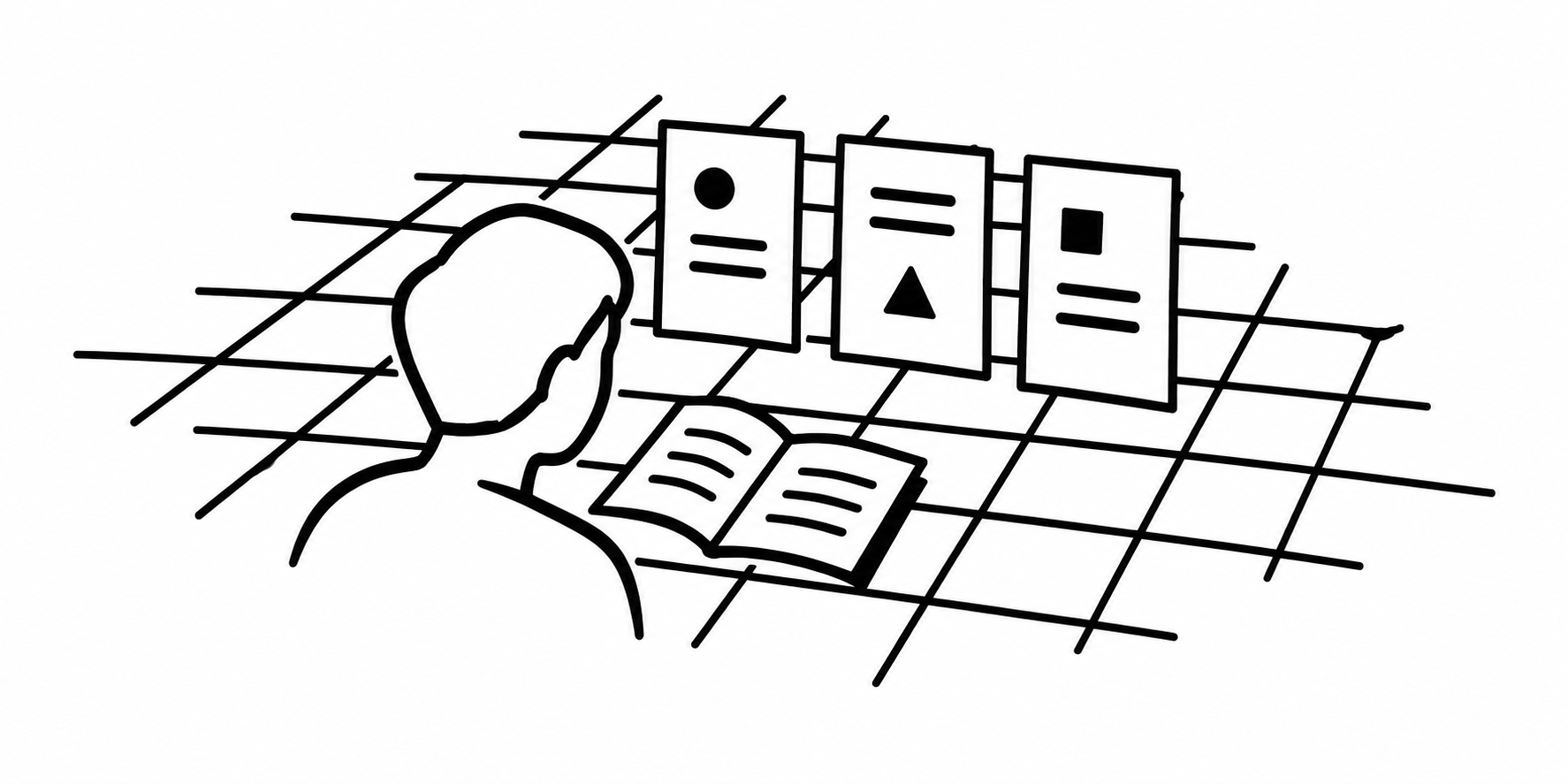
I also want the interview to preserve my firsthand account. If the AI misunderstands something I did, believes a term means something else, or needs context, we can clarify it. Repeated demands to validate my own experience add work without helping me tell the story. Those interactions are part of what I'm continuing to refine.
Carrying decisions into the next piece
Organizing the pieces in Airtable gives me a way to return to them as the skills develop. I can revisit the writing and apply changes instead of losing track of it across separate conversations. The organization supports continuing editorial work; the drafts still need attention.
The practical benefit is that I can spend the interview concentrating on what I'm trying to say. I used to spend hours working out the voice and trying to communicate clearly in language I was comfortable with. More of those decisions are now available when we begin the next piece.
I still check the result, especially while a voice is developing. As the instructions become more settled, I spend less time correcting the same kinds of problems. The work moves faster because earlier decisions carry forward. When a new correction matters beyond one article, it gives me something specific to improve in the process we use next time.
Try it with your own writing
Voice Development starts with your writing and a few questions about whose voice you want to study, where you will use it, and how the samples were written or edited. The assistant shows the evidence behind its observations before drafting a Voice Profile.
- Download and extract the skill into a new folder. Ask your AI assistant to read
voice-development/SKILL.md. - Provide writing samples you have permission to use. Label each one and explain authorship, collaboration, editing, and any AI revisions. Choose a host you trust with that material.
- Review the inventory against your writing. Correct mistaken interpretations or missing evidence before requesting a draft profile.
- Review the exact profile and approve it when ready. Keep the approved profile and its handoff so you can provide them in a later chat. New samples can support a reviewed revision.
Use an assistant that can read Markdown files. If your chat cannot read local files, paste the included PROMPT.txt and your labeled samples instead. The package contains instructions and synthetic examples; it has no account or remote service and includes no personal voice profile.
The profile describes patterns supported by your writing. Keep editorial choices about topics, audience, and what a piece should accomplish in separate guidance. The skill does not remember your profile across chats.
Download Voice Development 1.0.6 Free standalone ZIP · No installation required for manual use
What was tested, and what to expect
Version 1.0.6 passed archive integrity and automated package checks. Its guided intake and later-chat handoff have not completed a first-use behavior test; I chose to release it and learn from feedback. The September 10, 2026 manual synthetic-sample demonstration applied to the earlier 1.0.1 method, not an end-to-end test of 1.0.6.
A small sample can reveal useful patterns without establishing a stable voice. This package does not include a personal voice profile or automatically adopt one for you. The assistant’s output still needs your review.
Adds guided intake about intended use, authorship and editing, including AI revisions, followed by a separately reviewed profile and a reusable versioned handoff. Voice evidence remains separate from editorial guidance.
Download the earlier 1.0.1 version if you need the historical package.
The voice-development skill is by Clinton Harman / Past Life, licensed under CC BY 4.0 (opens in a new tab). You may use, adapt, and redistribute it with attribution. Link the license and indicate changes. These terms cover the download, not the rest of the article or its artwork.
Voice Development support and feedback
Tell me which version and AI host you used, what you expected, and what happened. Leave out private writing samples, confidential information, and account credentials.
Use the form below for a private message, or join the article discussion for a question you are comfortable sharing publicly. Comments are reviewed before publication; your email is not shown with a published comment.
Ask a question about the skill or report a problem. You can also request a correction or removal of information you sent through this site.
Checking contact availability. You can also start a conversation on LinkedIn.
