What the shop photographs brought back
Starting an interview with the work in front of you helps recover the decisions and circumstances a useful article needs.
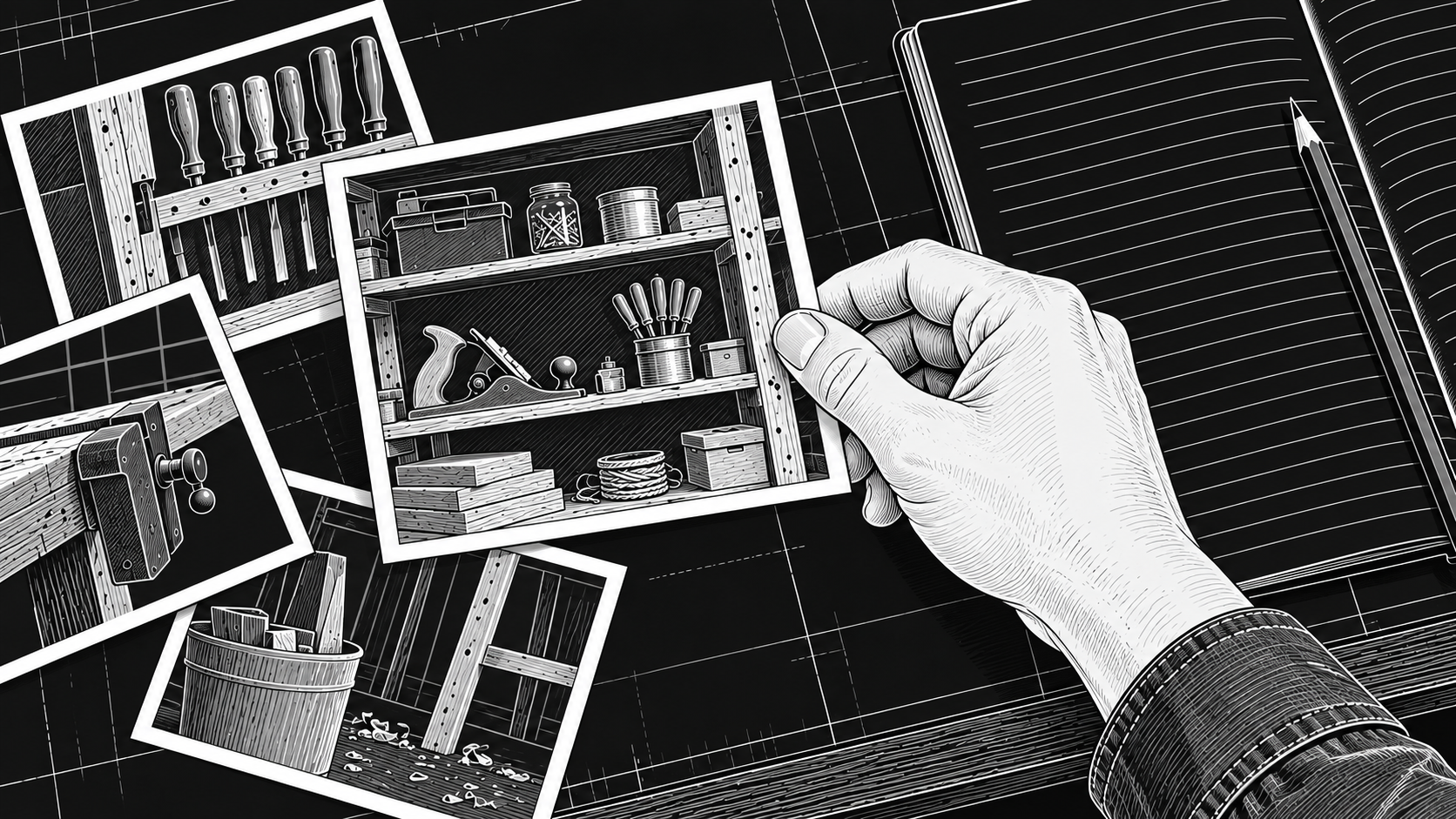
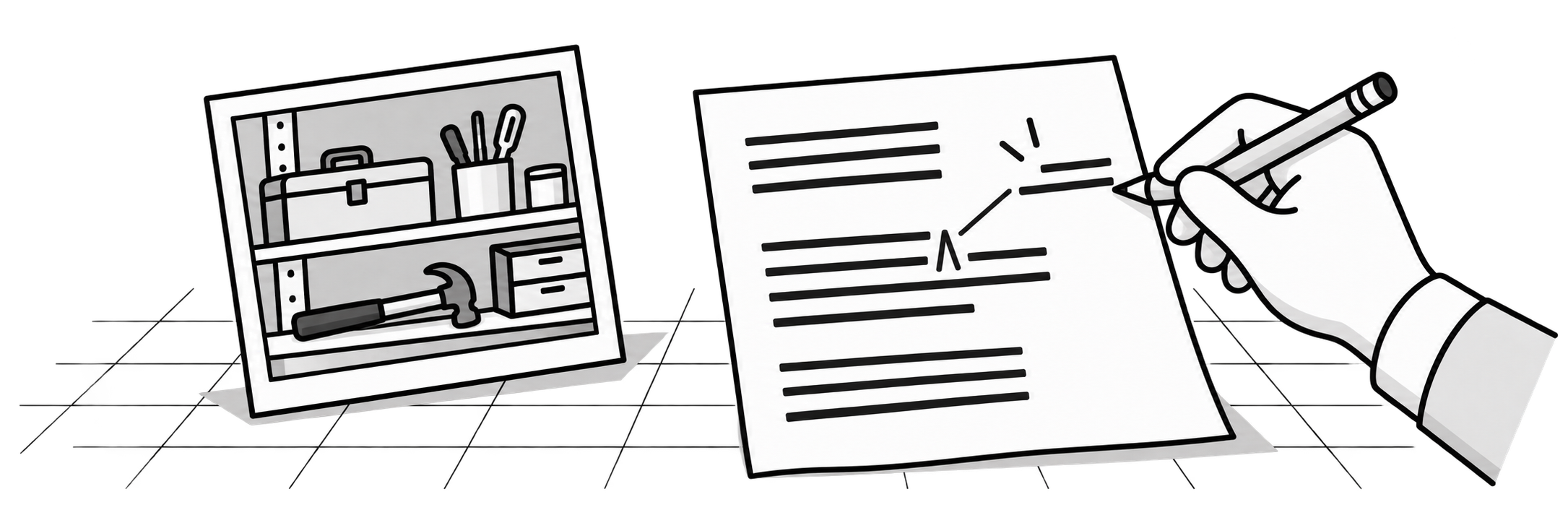
An article about my shop felt complete until I looked at the photographs. We had finished the interview and developed the written account. Reviewing the images brought back enough additional material that the original article needed another pass.
That experience is changing how I want to begin interviews about my handyman work. I want the related photographs and other materials in front of me before we start shaping the story. They help me describe the work in more detail than I had been able to recover from memory alone.
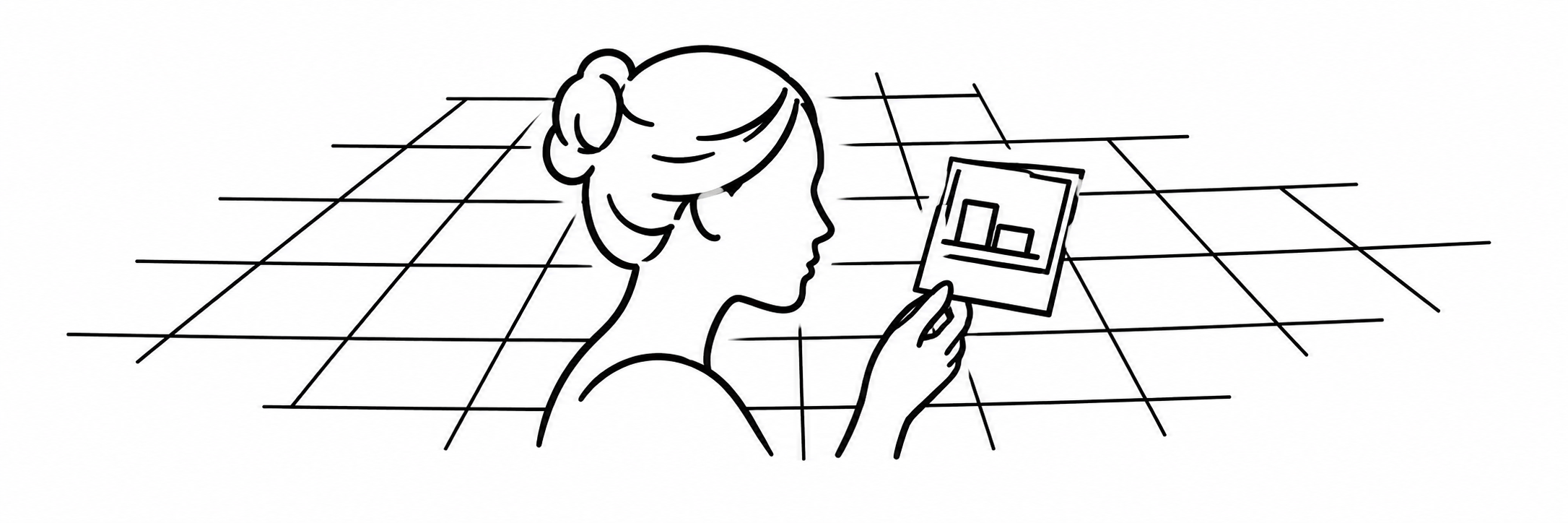
What the photographs brought back
One photograph brought back the wooden plaque I'd made with my logo carved into it. I had used the CNC machine at the library, a computer-controlled machine that carved the design into the wood. Seeing the plaque reminded me of that part of the project and the resource I'd used to make it.
The storage and desk also looked good. A middle shelf prompted a different explanation: it held whatever I was using most or needed close by. Its usefulness came from how it supported the work while I was doing it. That was worth describing, and it hadn't surfaced fully in the earlier interview.
As I looked through the pictures, I also remembered more about the sequence of the project. I had worked in phases instead of trying to complete everything at once. That made the work more manageable and allowed me to spread out the material costs, rather than facing an overwhelming expense at the beginning.
Those details changed what I could explain about the project. The account could include the choices that made it possible to keep working, as well as the things I had built. The practical value of a shelf and the decision to divide the work into phases gave the article more substance.
The photograph and the explanation
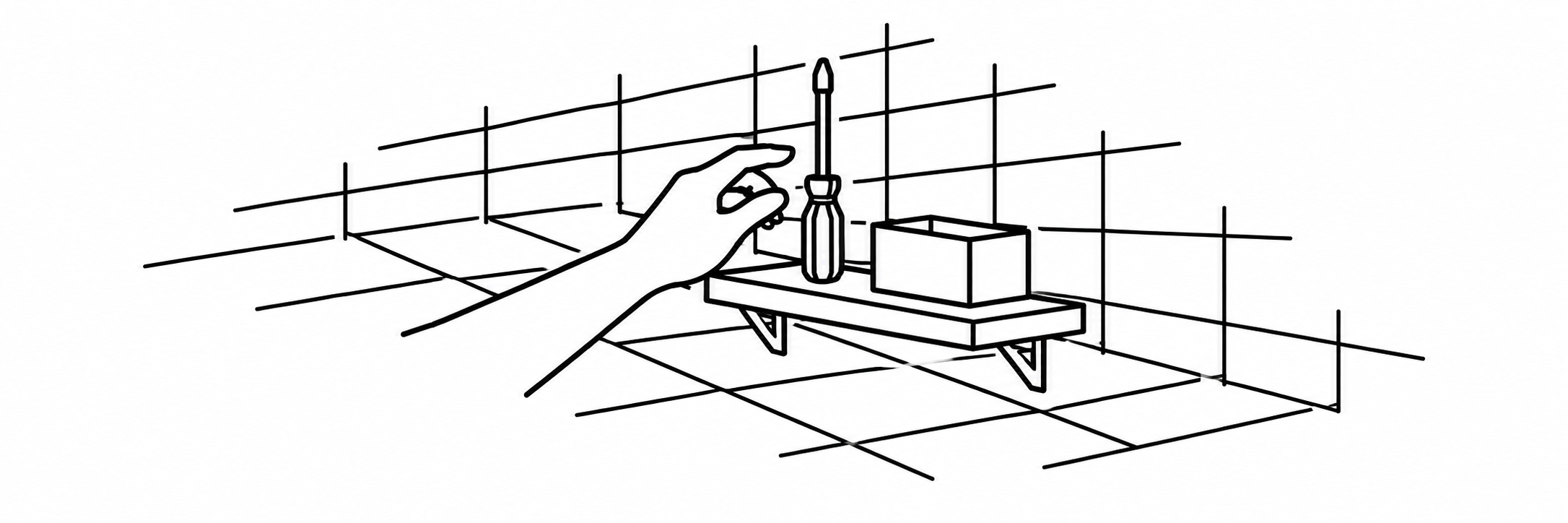
The photographs prompted those recollections; I supplied the explanation. A picture of the shelf could show its position and appearance. Describing what I kept there and why it helped required my account of using it. The same applied to the phases and the way I managed material costs. Looking at the work gave the conversation a place to begin, and the questions could develop what I remembered.
It also helped me explain the project's current state more fully. I'm still rebuilding the desk, which needs a new base, and I'm still finishing the shop. The useful work already done belongs in the story alongside what remains unfinished. I don't need to wait for every part of the shop to be complete before documenting what I've learned from it.
Changing the interview sequence
For future handyman interviews, the change I want to make is straightforward. Find the related materials first, look through them, and let me describe what I notice. Follow that account with questions about the choices, sequence, and practical use of what I'm seeing. I want enough room in the interview for those details to emerge before we decide the account is ready to draft.
This matters because a written article can feel complete with the information supplied so far. That was my experience here. I was satisfied with the draft until the photographs gave me more to say. Reviewing the materials earlier may help us capture more of that substance during the initial interview. I'll learn how well that works as we use the revised process.
Returning to the source account
There still needs to be a way back when something useful appears later. In this instance, the new material belongs in the original long-form account. That account is the source for later articles, so it needs to receive the correction before the different versions develop around it. Returning to the source gives us a common place to review the fuller story.
I'm considering a similar approach for the creative archive work. For now, the shop photographs provide the concrete reason for the change. They helped me remember decisions and practical details that I hadn't brought into the conversation on my own.
The next interview will start with the work where I can see it. Before we shape an explanation for a reader, I want to give myself the opportunity to remember and describe it properly.
