
When a clear AI answer misses the point
Before asking AI to continue, understand what it proposes and why that action serves the task.
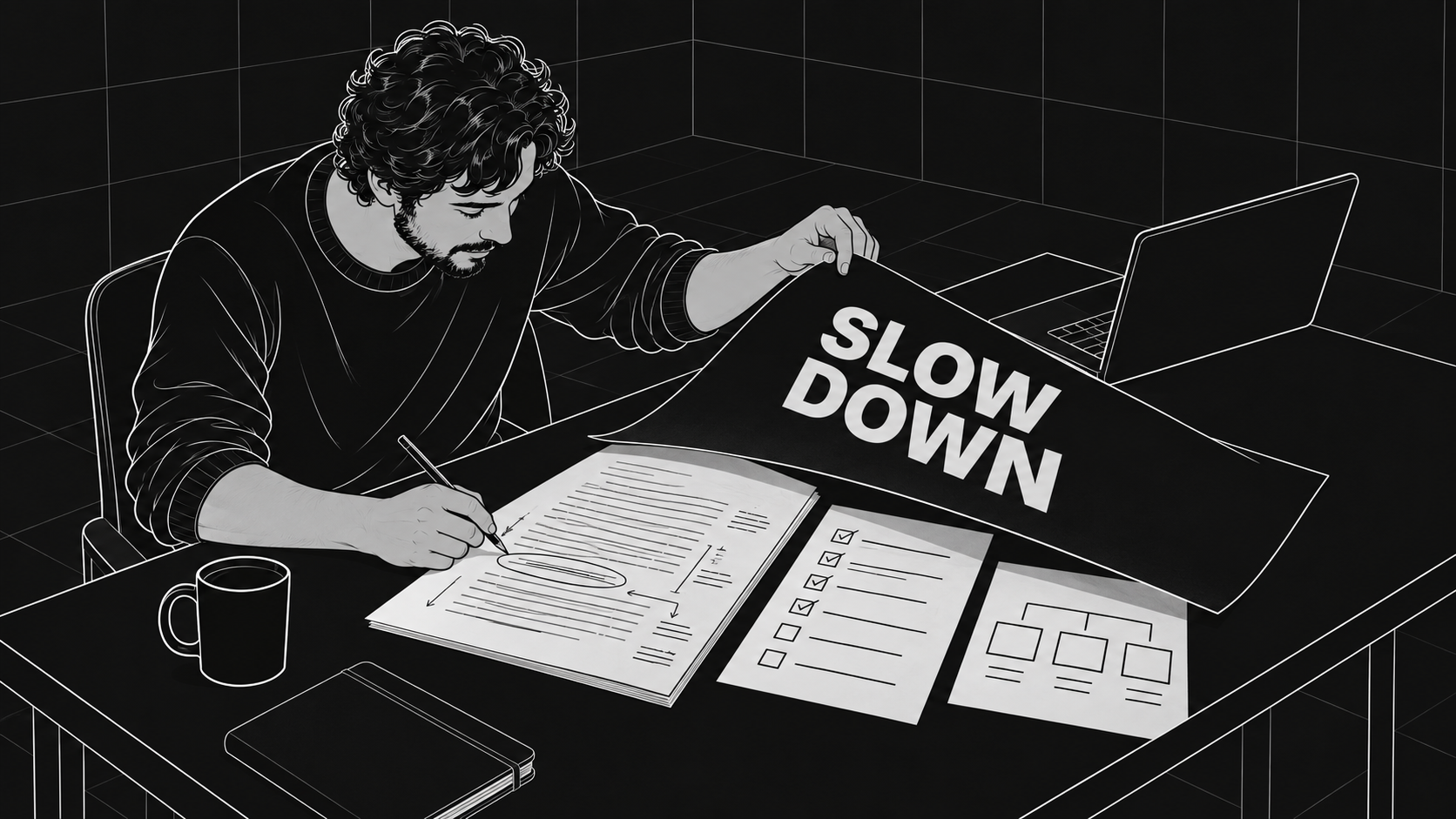
An AI response can be easy to read and still give me the wrong basis for the next step. I ran into this while developing an article about the pressure to keep working when AI makes so much seem possible.
We were building a writing and distribution system. I was excited about what it could support, but I also needed time to understand the work, review what came back and figure out what I wanted to do next. The first draft turned that particular effort into a generic reminder to slow down.
I could understand the sentences. The problem was what the article had become. Continuing to develop that version would have meant working from a framing I hadn't intended.
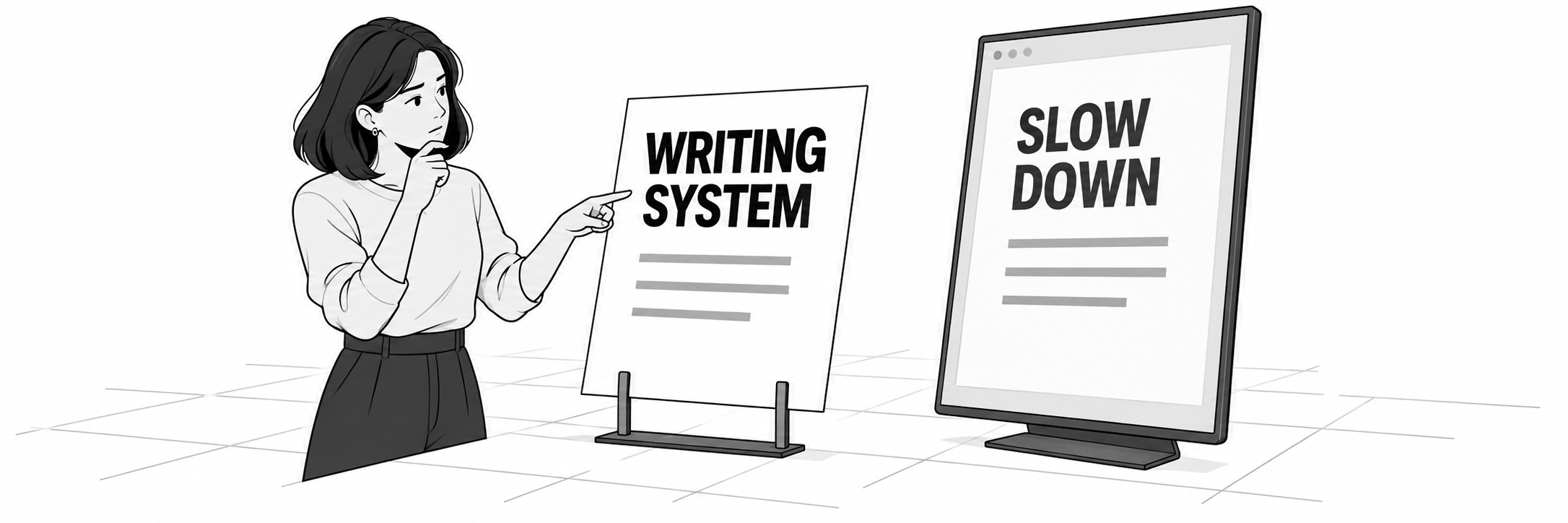
I told the AI that it was treating the effort too generically. I also wasn't sure how to explain the distinction at first. Further conversation supplied more of the context behind the work and what I wanted the writing to convey. Some of that context had been missing from my initial request.
That exchange gives me a practical reason to review an answer before asking for the next result. I need to understand both what the AI is proposing and how it connects to the purpose of the task. Missing context may require more explanation from me. Unfamiliar language may require a clearer explanation from the AI. Those lead to different next requests.
A useful question before continuing is: Can I explain what the next action will do and why it helps with this task?
For the article, that meant recognizing that a general message about slowing down didn't capture the effort I was describing. The next useful exchange was about the meaning of the piece. A request for more polished wording would have left that question unresolved.
The same question can guide a review of proposed system work. Before building onto an initial setup, I need enough understanding to judge whether the addition serves the project. If I'm still discovering the project's purpose or the strengths and limitations of the AI I'm using, a request for a larger implementation may be premature. I may need to clarify the direction first.
The amount of review should follow the decision in front of me. A small wording change may need only a quick read. A change to the direction of an article or the behavior of a system needs enough explanation to make that choice deliberately. The question is useful when it identifies something that would change what I ask for next.

That takes attention, and attention is easy to overlook when another response is available. I've described worrying through fifteen-minute or half-hour intervals while trying to move work forward. Asking for another result can feel like the immediate thing to do, even when I still need to read the last one properly.
In the writing exchange, the unresolved issue was the context I needed to supply. Identifying that gave the next conversation a purpose. That's the practice I want to carry forward: take enough time with the answer to decide what the next request should address.
