
The work record became part of the interface
As agents move into governed work, the record around an action becomes part of the interface—and the return path determines whether evidence can improve the next decision.
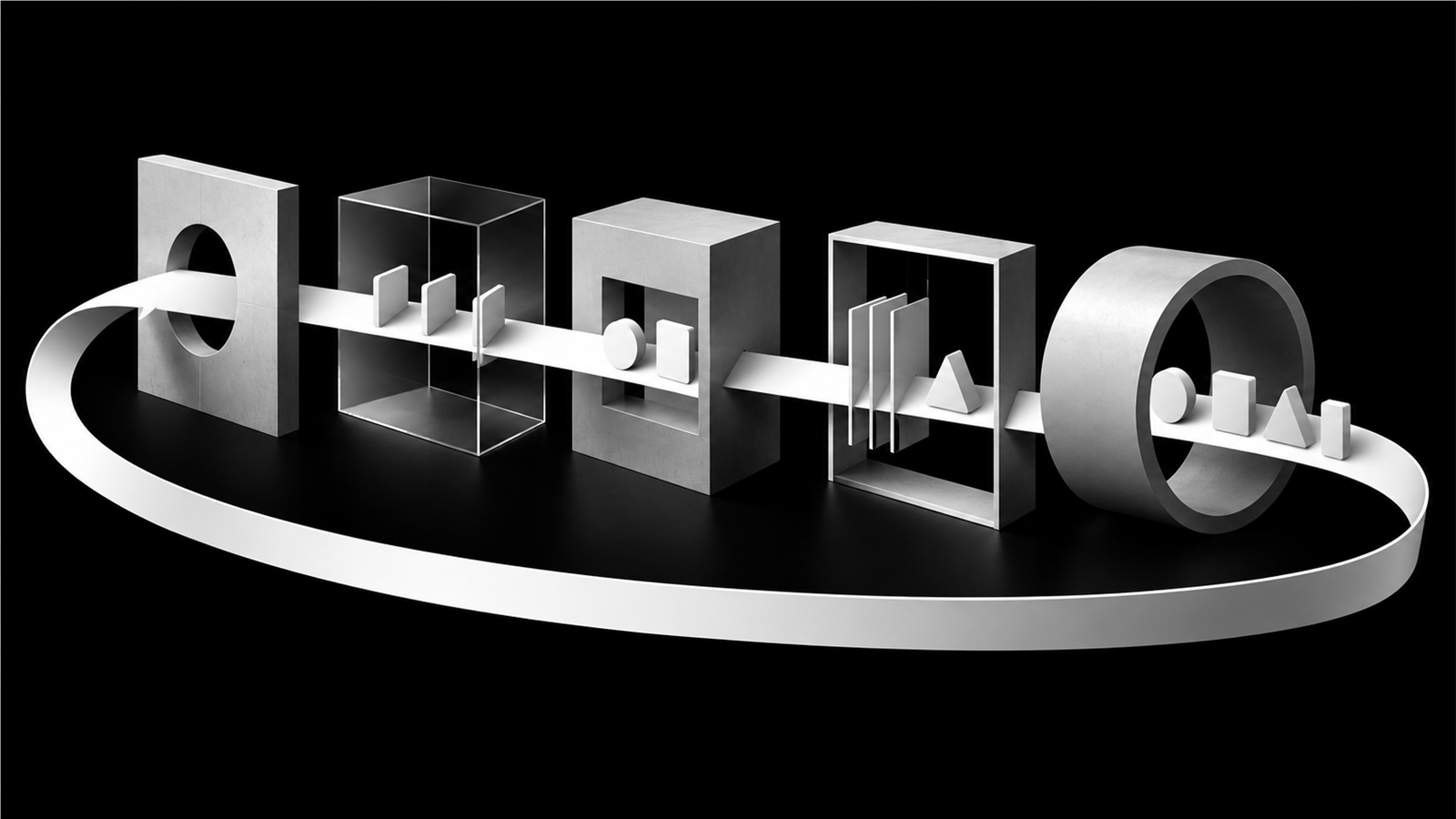
An AI agent can complete a task and still leave the product unfinished.
The missing piece is often what remains after the action: the evidence it used, the change it proposed, the boundary a person approved, the result the system recorded, and the reason the next decision should be different.
That record used to feel like administration. It is becoming part of the interface.
The model is only one participant
Recent product announcements make the shift visible.
Postman’s published Agent Mode architecture does not present a model with every available operation. It selects relevant tools, reads schemas and project context, constructs a request, and asks for approval before changing state.
Atlassian’s new MCP server describes a similar boundary in a different setting. Its tools are separated by risk, including read, write, and destructive actions. Higher-risk work gets explicit confirmation, while administrators get controls and audit logs.
The interesting product is not a larger tool menu. It is the sequence around the tool.
What did the agent know? What is it about to do? What makes this action consequential? Who can stop it? What will the next person be able to inspect?
Those questions are interface questions.
A transcript is not a work record
A conversation can explain what happened. It is a poor substitute for operational state.
In a useful work record, evidence and authority have different places. A source can support a recommendation without granting permission. An approval can authorize one action without approving every later variation. A successful execution can be preserved even when a downstream step fails.
This is why a long chat history is not enough. The product needs explicit objects people and agents can return to:
- the evidence that was current at the time;
- the proposed change and its expected effect;
- the decision, owner, and boundary;
- the actual result and its durable identifier;
- the exception or new evidence that should alter the next decision.
Atlassian’s AI SDLC announcement puts shared context, work items, and human checkpoints at the center of agent-assisted development. ServiceNow’s AI Workflow Factory describes workflow improvement as a continuing loop: discover, build, run, observe, and improve under an operating control layer.
Both point toward the same design problem. Work does not end when an agent reports success. It ends when the new state is legible enough to govern what happens next.
Controls can become stale while still passing
Adding an approval step is not the end of the design.
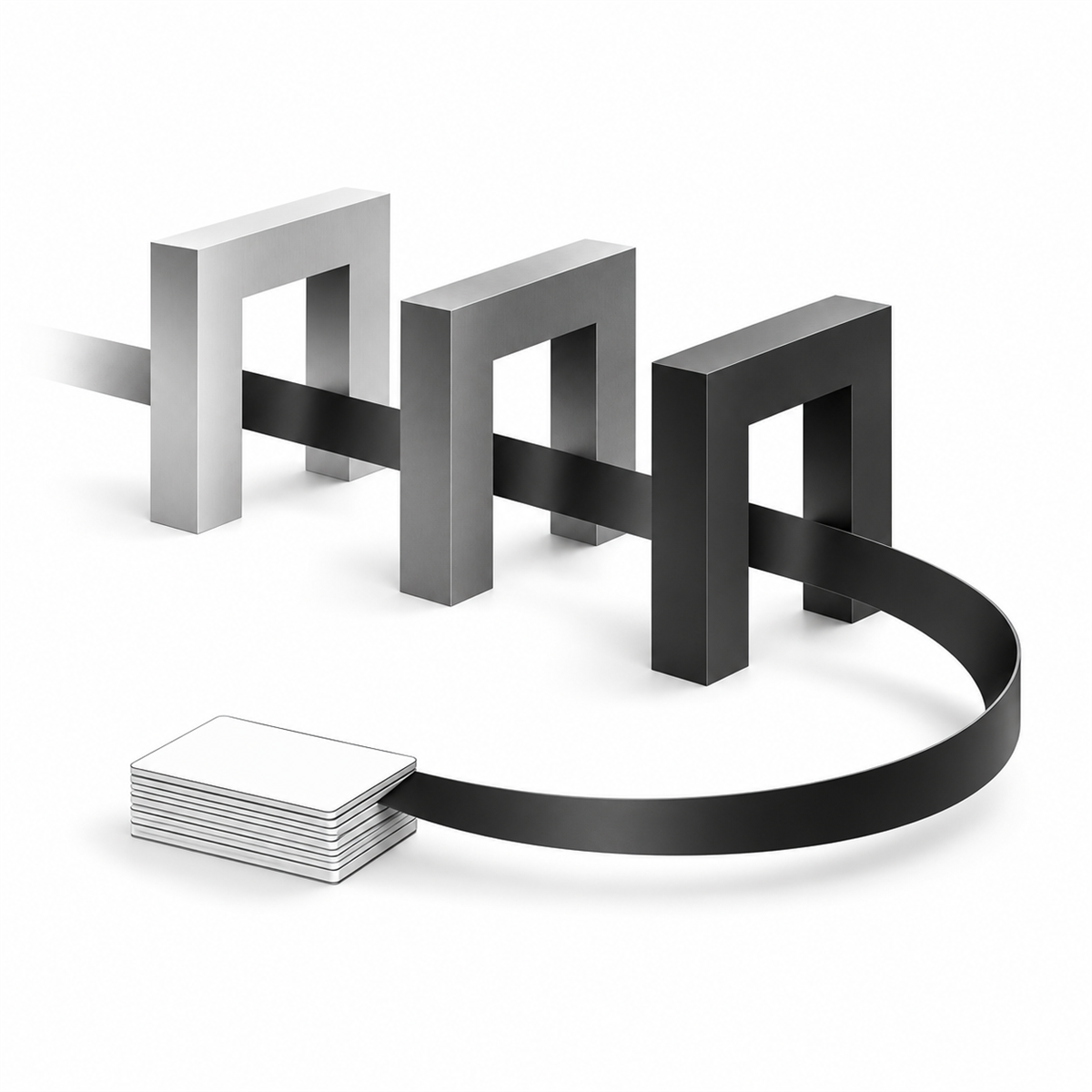
A control can work exactly as written and still become wrong for the situation. The evidence may change. A downstream system may preserve a result the workflow would otherwise repeat. A recurring exception may reveal that the policy is aimed at the wrong risk.
If the record captures only “approved” or “blocked,” the system loses the reason. It cannot distinguish a policy violation from a policy that needs revision.
For agent products to handle repeated work dependably, they need to make that distinction visible. Not by asking people to read every transcript, but by carrying forward a compact chain:
evidence → proposal → authority → outcome → policy question
That last link matters. It turns audit history into product feedback.
Design the return path
When I look at an agent workflow now, I ask one more question than I used to:
Where does the result return?
Does it disappear into a message? Does it update a shared work item? Does it preserve the platform’s actual identifier? Can a later run see that the action already succeeded? Can a person tell whether the exception belongs to the work or to the rule?
This return path is not back-office plumbing. It is how the product earns continuity.
An agent that can act is useful. An agent system that can show why the next action should be different is beginning to become dependable.
Sources
ServiceNow, “ServiceNow launches AI Workflow Factory…,” October 6, 2026 (opens in a new tab)
