
When a useful page leads nowhere
A website review connects business purpose, content, and the paths people need to take through the site.
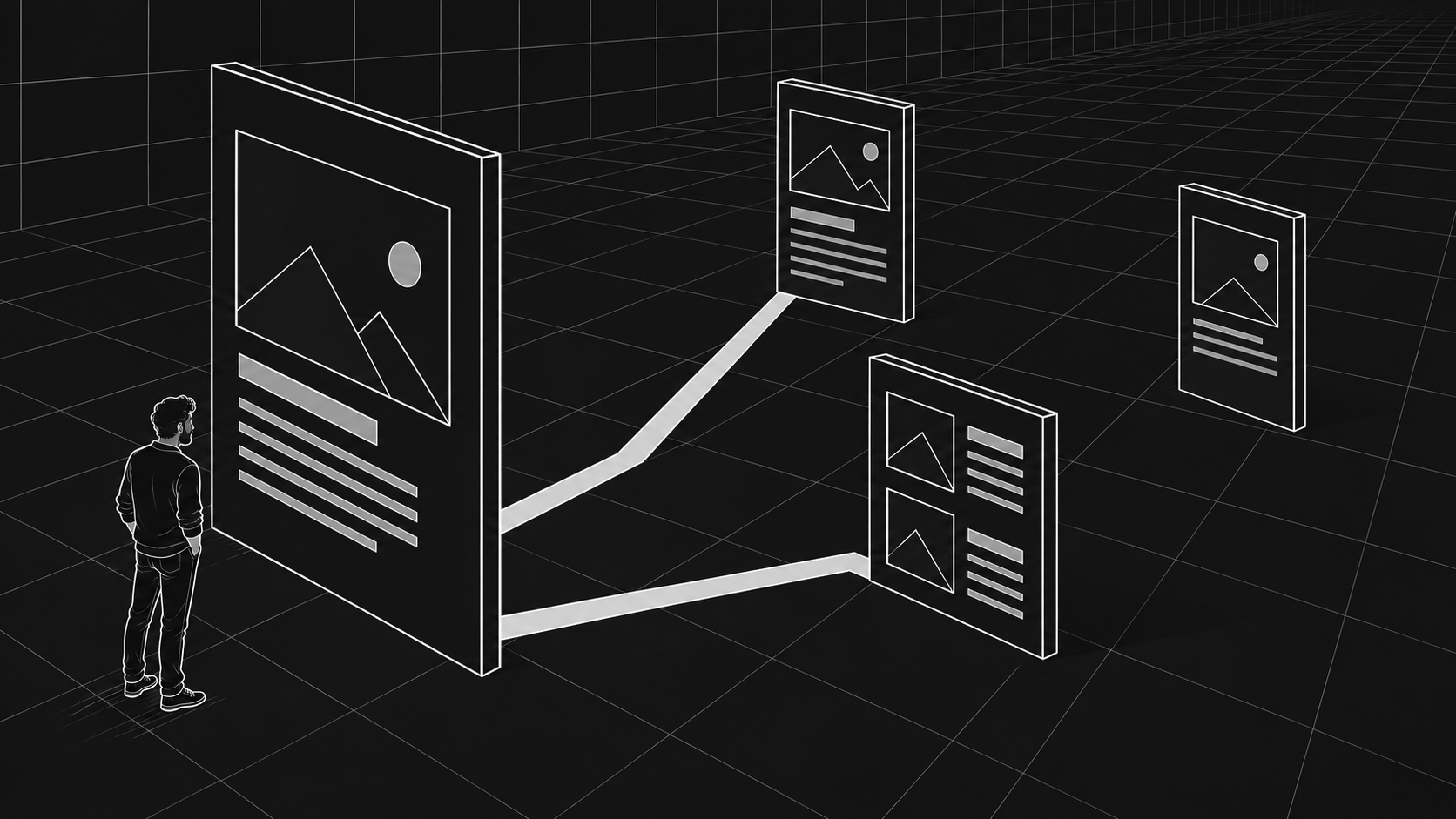
A website review needs a purpose beyond identifying things that could change. Before recommending a new page structure, different content, or a revised navigation system, I want to understand what the site is supposed to help people accomplish.
That question shaped consulting work I led for Mondelēz through CGN in 2015. Looking back at the strategy documents, I can see an approach that remains useful in how I think about systems: connect the business goal to the user's actions, understand the environment supporting those actions, and turn that understanding into a practical direction.
The relationship began with the social team. The response to that work led to a broader regional assignment, which included the corporate-site review and website optimization strategy. I led the consulting initiative and created the strategy documentation; Chris Coletta produced the visual design.
That expansion is part of the engagement's history. The useful point for a website review is in the method itself.
Connecting goals to useful actions
The strategy started with business goals and worked toward outcomes that could be measured. It called for reviewing the sites, content, and other parts of the digital environment, how people moved between them, and which interactions were intended to support those goals.
This gave the review a basis for making recommendations. A proposed change could be considered in relation to an intended action and the information someone needed to take it.
Continuing the experience
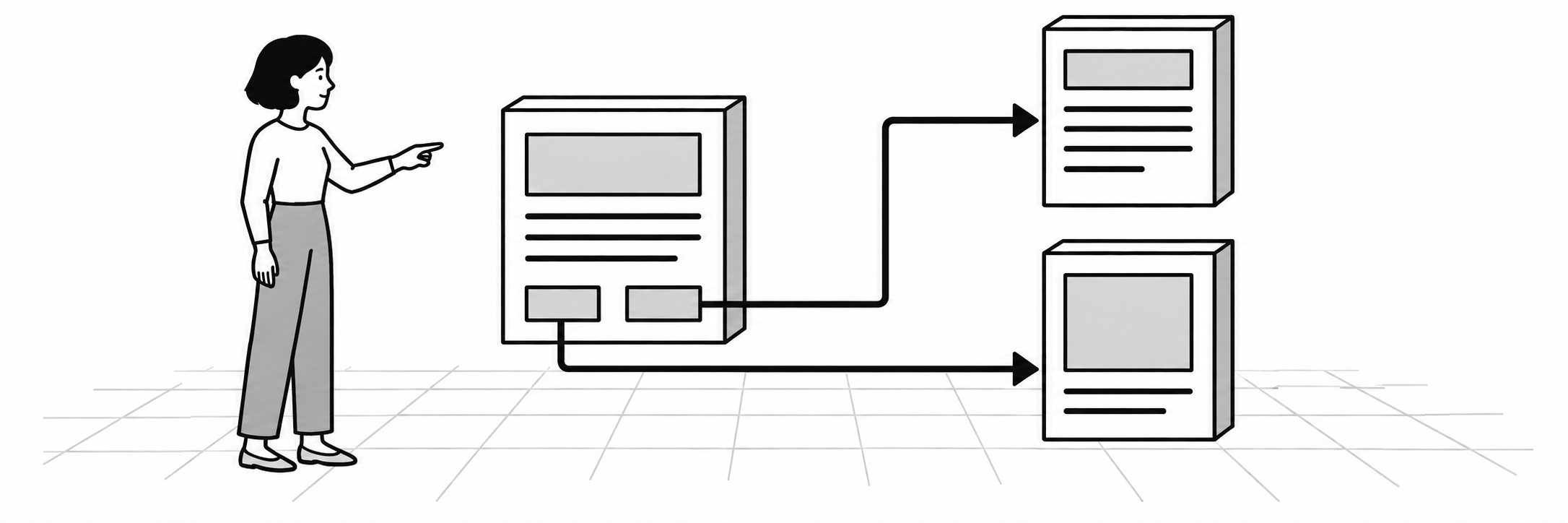
In the corporate-site review, a recurring problem was that pages gave visitors information without a clear opportunity to continue. Someone could finish reading and leave because there was no related article, further explanation, or route to a relevant brand site.
I described the direction as continue the experience. Give someone a useful next step. If the business wants people to learn more, the page needs to help them find that information. Reviewing where the page leads becomes part of reviewing the page itself.
Content and navigation belong in that same review. The organization of information affects what people can find, and the content affects what they can understand once they get there. A link can be visible and still leave someone uncertain about whether it leads to what they need.
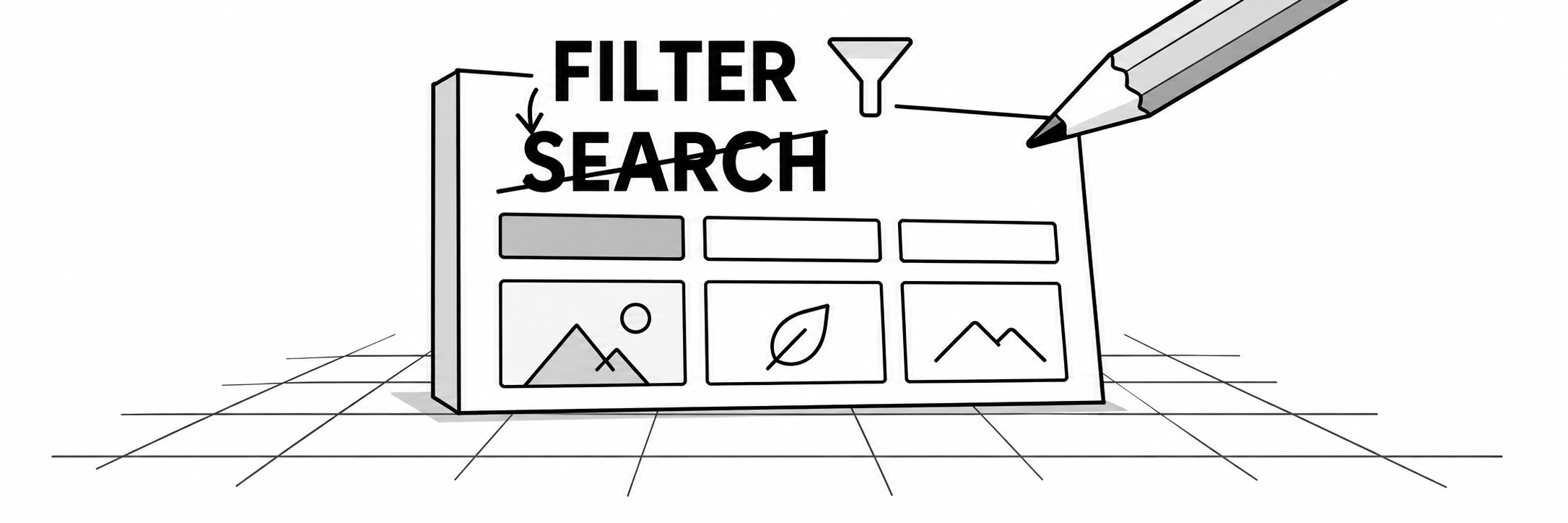
Labels matter for the same reason. One recommendation in the Mondelēz review was to remove the search label from a feature that offered filtering but did not let visitors search. The wording needed to match what the feature actually did.
Turning findings into direction
In the Mondelēz work, the strategy connected goals, digital properties, content, user paths, and measurement planning. The broader regional approach also set out how to understand stakeholder needs, organize information, and compare potential changes by risk, effort, and reward.
Those activities help move a review toward decisions. Identifying a possible improvement is only part of the work. Someone also needs to decide which changes deserve attention, what they depend on, and how to describe the direction clearly enough for design and delivery.
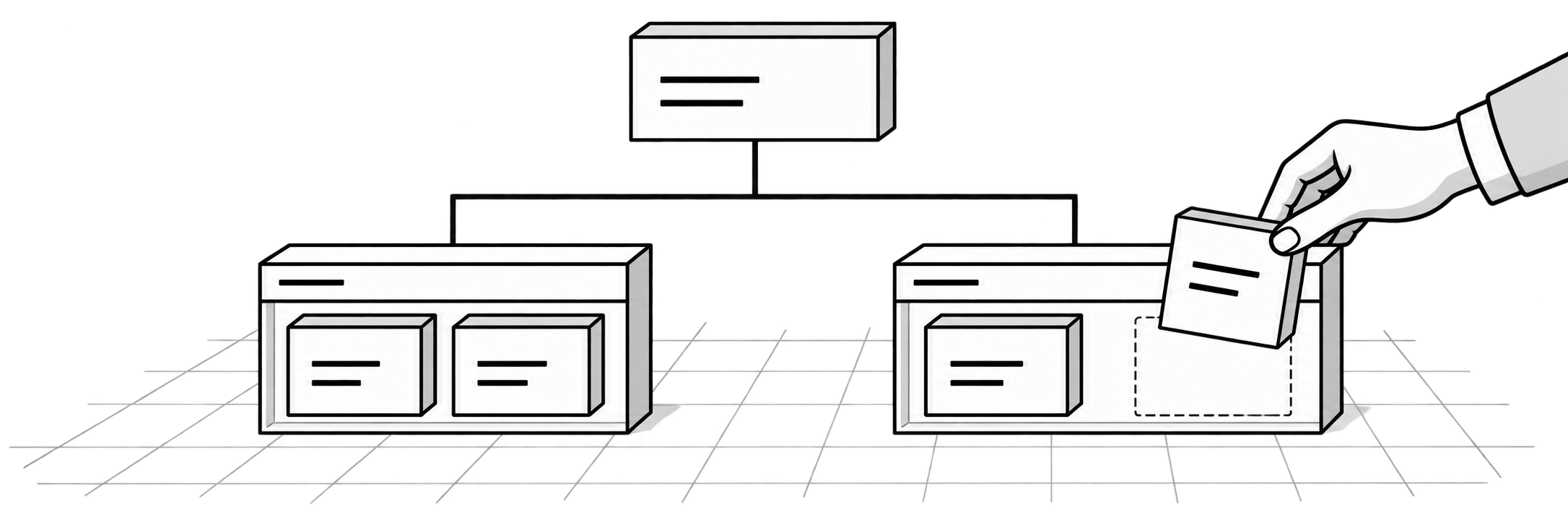
The approach specified how to carry that direction into requirements, user flows, information architecture, and design guidance. These were ways to connect the recommendations to the work that would follow.
There is a scope decision here too. Looking beyond a page does not mean every review needs to become an enterprise-wide assignment. The broader environment matters where it affects the problem being considered. A focused recommendation may still be the right result.
For me, the useful question is how much of the surrounding path we need to understand to make that recommendation responsibly. That keeps the review tied to the work people are trying to complete and the decisions the client needs to make.
Separating the strategy from the results
Several recommendations from our Mondelēz work were implemented, especially simpler website changes. Mondelēz owned implementation and subsequent measurement. I don't have the later results needed to attribute a specific improvement in engagement or conversion to our work.
What I can describe is the strategy and the reasoning behind it. We reviewed the environment, connected its parts to business goals and user actions, and developed recommendations. The measurement plan described how results could be assessed; it was not itself a result.
I returned to these documents because the work I'm doing now reminded me of that earlier framework. The settings have changed, but I still find it useful to establish the goal, understand the relationships that affect it, and give the next person something specific to work from.
For a website review, that means following the path through to the recommendation: what someone needs to do, what the site and its connected content must support, and which change is worth making next.
